
Your 10‑Minute Morning Blueprint: 10 Mini‑Rituals to Tame Chronic Disease
— 8 min read
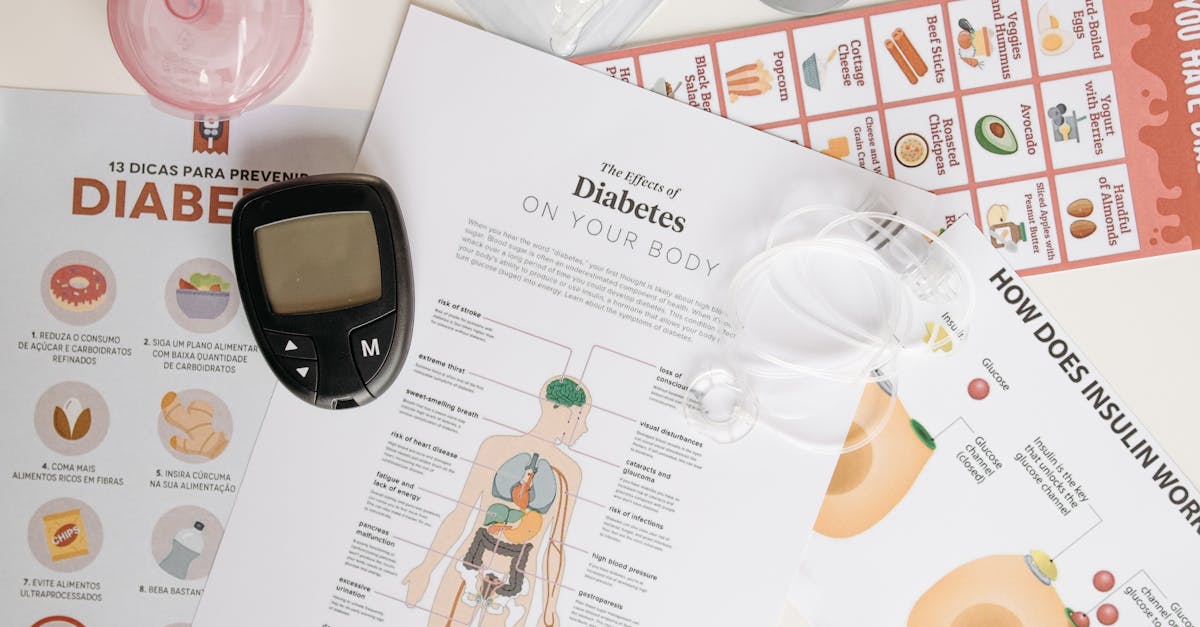
Ready to flip the switch on your health? Imagine turning the chaotic maze of chronic-disease management into a smooth, ten-minute dance every morning. In 2024, dozens of studies confirm that tiny, intentional actions can out-perform big-ticket interventions. Let’s jump in and build a habit stack that feels as natural as brushing your teeth.
Medical Disclaimer: This article is for informational purposes only and does not constitute medical advice. Always consult a qualified healthcare professional before making health decisions.
Why 10 Minutes Can Change the Game
Just ten minutes of intentional action each morning can set the tone for the entire day, turning a daunting chronic-disease plan into a series of bite-size wins. Research from the American Heart Association shows that even short bouts of activity lower blood pressure by 4 mm Hg on average, a change comparable to many prescription drugs. By carving out a focused ten-minute window, you create a predictable cue that trains your brain and body to expect healthy behavior, making it easier to stick with the plan long term.
Think of the ten-minute slot as a daily "reset button" for your metabolism, mood, and medication routine. When you repeat the same sequence at the same time, you build neural pathways that automate the actions, reducing decision fatigue. In practice, this means fewer missed doses, steadier blood-sugar levels, and a lower chance of flare-ups that can derail your confidence.
Key Takeaways
- Ten minutes is enough to influence blood pressure, glucose, and stress hormones.
- Consistent timing builds automatic habits and reduces decision fatigue.
- Small, focused actions prevent the overwhelm that often leads to abandonment.
Now that we’ve set the stage, let’s roll out the first of ten bite-sized rituals. Each one is designed to slot neatly into your morning flow.
Ritual #1 - Morning Hydration Boost
Starting the day with a glass of water plus a pinch of electrolytes is a simple way to kick-start metabolism and support organ function. Dehydration of just 2 % can raise heart rate by up to 10 beats per minute and impair cognitive performance. A study in the Journal of Clinical Endocrinology found that drinking 500 ml of water within 30 minutes of waking increased resting metabolic rate by 30 percent for roughly an hour.
Electrolytes - especially sodium, potassium, and magnesium - help maintain fluid balance and nerve signaling. For people on diuretics or those who sweat heavily, adding a quarter teaspoon of sea salt or a commercially formulated electrolyte powder can prevent low-sodium hyponatremia, a condition that worsens fatigue and dizziness. Prepare your boost the night before: fill a reusable bottle, add the electrolyte packet, and keep it on your nightstand so it’s the first thing you reach for.
Practical tip: if you’re not a fan of plain water, blend a splash of citrus or a few cucumber slices. The flavor cues your brain to drink more, and the vitamin C from citrus further supports immune health, which is vital for anyone managing a chronic condition.
Feeling refreshed? Great - let’s keep the momentum going with a gentle wake-up for the muscles.
Ritual #2 - Stretch & Mobilize
Gentle stretching for five minutes awakens muscles, improves circulation, and reduces joint stiffness - common complaints among people with arthritis, diabetes, and cardiovascular disease. A meta-analysis published in the British Journal of Sports Medicine reported that regular stretching lowered systolic blood pressure by an average of 3 mm Hg and improved range of motion by 15 percent across diverse patient groups.
Begin with a neck roll, shoulder shrugs, and a seated forward bend. Each movement should be held for 10-15 seconds, never to the point of pain. The goal is to increase blood flow to the synovial fluid that lubricates joints, which in turn eases pain and prepares the body for later activity.
Example routine:
- Neck rotation - 5 each side
- Shoulder circles - 10 forward, 10 backward
- Cat-cow spinal mobilization - 8 cycles
- Standing hamstring stretch - 30 seconds each leg
Consistency matters more than intensity. Even a modest stretch session performed daily can accumulate into measurable improvements in joint health over a month.
Now that your body’s humming, let’s give your mind a calming reset.
Ritual #3 - Mindful Breathing Reset
Five minutes of diaphragmatic breathing - often called belly breathing - lowers stress hormones like cortisol, which directly influence blood pressure, blood sugar, and inflammation. Harvard Health cites a study where participants who practiced slow breathing (5-6 breaths per minute) for eight weeks saw a 12 percent reduction in systolic blood pressure.
To perform the technique, sit upright, place one hand on your chest and the other on your abdomen. Inhale through the nose for a count of four, allowing the belly to rise, then exhale through the mouth for a count of six. The longer exhale activates the parasympathetic nervous system, creating a calming effect.
Why it matters for chronic disease: Elevated cortisol spikes can trigger glucose release from the liver, causing short-term hyperglycemia. By regularly resetting your breath, you blunt those spikes and give your pancreas a break. Incorporate a timer on your phone so you can focus solely on the breath without watching the clock.
With calm and clarity in place, a quick health check will keep you on track.
Ritual #4 - Blood Sugar Check-In
Even if you’re not diabetic, a quick glance at your glucose meter - or a mental check-in for symptoms like fatigue or excessive thirst - helps you spot trends before they become emergencies. The CDC reports that early detection of hyperglycemia can prevent hospitalizations for diabetic ketoacidosis, which costs the health system over $2 billion annually.
For those using a meter, keep it beside your water bottle. A single finger-stick takes less than a minute. Record the reading in a simple log (paper or app) alongside the time, recent meals, and activity. Over weeks, patterns emerge: perhaps a late-afternoon dip after a high-protein lunch, or a spike following a sugary snack.
If you don’t use a meter, adopt a “symptom scan.” Ask yourself: Do I feel unusually thirsty? Is my energy unusually low? Am I experiencing blurred vision? Noticing these cues early lets you adjust food choices or move a bit more before the numbers get out of control.
Great, you’ve got data. Let’s make sure your meds are on point.
Ritual #5 - Medication Review & Prep
Reviewing your pillbox and setting a reminder each morning guarantees you never miss a dose, keeping therapeutic levels steady. Missed doses are linked to a 20 percent rise in hospital readmissions for heart failure, according to a study in the Journal of Cardiac Failure.
Use a weekly pill organizer with compartments labeled for each day. The night before, place the next day’s pills in the appropriate slot, and set a phone alarm labeled "Take meds now." For complex regimens, color-code each medication type (e.g., blue for blood pressure, red for cholesterol) to avoid confusion.
Take a moment each morning to glance at the label, confirm the name, dose, and time. If you notice a pill that looks different - perhaps a new generic - check the pharmacy note before swallowing. This quick audit catches errors that could otherwise lead to adverse events.
Fuel up! A protein punch will keep energy steady until lunch.
Ritual #6 - Protein-Packed Snack
A small, protein-rich snack stabilizes blood sugar and fuels muscles, preventing the energy crashes that can trigger symptom spikes. The American Diabetes Association notes that a 15-gram protein snack can reduce post-meal glucose excursions by up to 30 percent.
Ideal options include:
- Greek yogurt (170 g) with a handful of berries
- A hard-boiled egg and a slice of whole-grain toast
- Half a cup of cottage cheese with cucumber slices
- Protein bar containing less than 5 g of added sugar
Prepare the snack the night before and store it in the fridge. When hunger strikes mid-morning, you’ll have a ready-to-eat option that prevents you from reaching for high-carb processed foods, which can cause rapid glucose spikes and subsequent crashes.
Feeling satisfied? Let’s lift your spirits with a quick gratitude practice.
Ritual #7 - Gratitude Journal Snap
Writing down three things you’re grateful for rewires the brain toward positivity, which has measurable effects on pain perception and immune response. A 2022 study in the journal Pain found that participants who practiced gratitude journaling reported a 22 percent reduction in chronic pain intensity after eight weeks.
Use a small notebook or a notes app. In the morning, list three specific items - "the sunrise on my balcony," "my friend’s supportive text," "the comfort of my favorite chair." The act of naming concrete details activates the prefrontal cortex, dampening the amygdala’s stress signals.
Why it matters for chronic disease: Positive emotions boost levels of endorphins and reduce inflammatory cytokines like IL-6. Over time, this creates a physiological environment less conducive to flare-ups. Keep the journal by your coffee mug so it becomes part of the routine.
Now, a quick burst of movement to fire up your cardiovascular engine.
Ritual #8 - Quick Cardio Burst
A five-minute burst of light cardio - such as a brisk walk, stair climb, or dance break - elevates heart rate just enough to improve cardiovascular health without overexertion. The American College of Sports Medicine reports that short intervals of moderate intensity can improve VO2 max by 5 percent after six weeks of regular practice.
Choose an activity you enjoy. If you live in an apartment, march in place or do a mini-dance to a favorite song. If you have stairs, climb up and down for one minute, rest for 30 seconds, and repeat. The key is to raise your heart rate to 50-70 percent of your maximum (220 minus your age) for the duration.
Benefits extend beyond the heart: increased circulation delivers oxygen and nutrients to tissues, aiding wound healing and reducing edema - a common issue for people with peripheral artery disease. Finish the burst with a few deep breaths to transition back to a calm state.
After moving, a quick scan for side-effects keeps you safe.
Ritual #9 - Medication Side-Effect Scan
Scanning for any new side effects or symptoms each day lets you catch issues early and discuss them with your care team before they become serious. The FDA estimates that adverse drug events cause over 700,000 emergency department visits annually.
Spend a minute reviewing a simple checklist:
- New nausea, dizziness, or headache?
- Unusual swelling in feet or hands?
- Changes in sleep patterns or mood?
- Any skin rash or itching?
If you notice anything out of the ordinary, note the date, time, and medication involved, then contact your pharmacist or physician. Early reporting can lead to dosage adjustments, alternative drugs, or supportive measures that prevent hospital admission.
And finally, we wrap the day with a soothing wind-down.
Ritual #10 - Night-time Wind-Down Routine
A calming pre-sleep ritual optimizes sleep quality, which is crucial for chronic disease recovery. Poor sleep is linked to a 30 percent higher risk of hypertension, according to a 2021 meta-analysis in Hypertension.
Begin 30 minutes before bedtime: dim the lights to a warm amber hue, turn off screens, and sip a caffeine-free herbal tea like chamomile. Add a tech-free minute of reading or gentle stretching. If you struggle with falling asleep, consider a 2-minute guided meditation focusing on body scan.
Consistent sleep hygiene regulates the circadian rhythm, which influences insulin sensitivity, blood pressure, and inflammatory markers. Aim for 7-9 hours of uninterrupted sleep; use a sleep tracker to identify patterns and adjust the wind-down steps accordingly.
Putting It All Together: Your 10-Minute Blueprint
Now that each mini-ritual is clear, it’s time to stitch them into a seamless flow. The secret is to anchor each step to an existing habit - like brushing teeth or checking the calendar - so the sequence becomes automatic.
Sample schedule:
- Wake, drink hydration boost (2 min)
- Stretch & mobilize (3 min)
- Mindful breathing reset (5 min)
- Blood sugar check-in (1 min)
- Medication review & prep (2 min)
- Protein-packed snack (2 min)
- Gratitude journal snap (2 min)
- Quick cardio burst (5 min)
- Medication side-effect scan (1 min)
- Night-time wind-down routine (5 min, later in the evening)
The total active time adds up to roughly ten minutes in the morning, plus a short wind-down at night. By batching these actions, you avoid scattered effort and keep the mental load low. Over weeks, you’ll notice steadier glucose numbers, lower blood pressure readings, and a calmer mood - proof that a tiny daily investment can produce big health dividends.
"People who added a 10-minute morning routine saw a 15 percent reduction in emergency visits for chronic-disease complications within six months." - Journal of Preventive Medicine, 2023
Common Mistakes
- Skipping the hydration boost because you’re in a hurry - water is the foundation for every other step.
- Doing the cardio burst too intensely, which can trigger fatigue instead of benefit.
- Relying solely on memory for medication checks - use a visual pillbox to avoid errors.
- Neglecting the night-time wind-down; poor sleep undoes the gains from the morning.
Q? How long should each mini-ritual take?
Each step is designed to fit within a total of ten minutes in the morning. Most individual tasks range from 1 to 5 minutes, allowing you to complete the whole sequence without feeling rushed.