Regenerative Braking Demystified: How the VW Polo ID 3 Turns Every Stop into Extra Miles
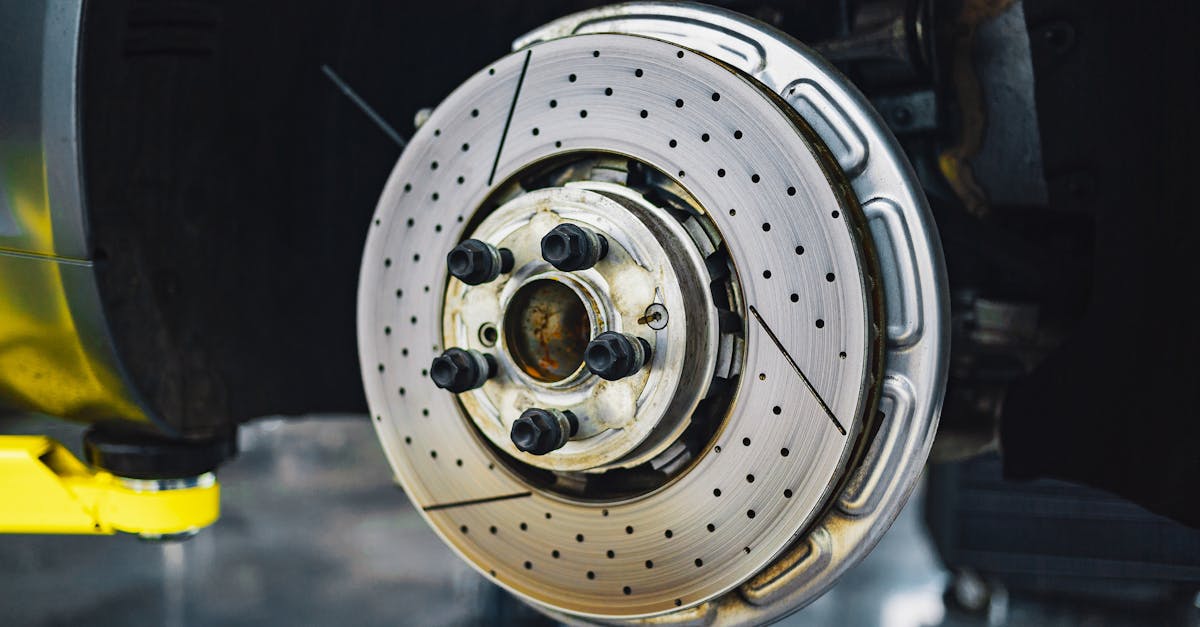
Regenerative Braking Demystified: How the VW Polo ID 3 Turns Every Stop into Extra Miles
Regenerative braking is the hidden booster that turns every stop into extra miles by converting kinetic energy back into usable battery charge, making the VW Polo ID 3 more efficient than battery size alone would suggest.
Fundamentals of Regenerative Braking
- Capturing kinetic energy from motion.
- Converting it into electrical energy.
- Storing the charge in the high-voltage battery.
Think of a bicycle with a dynamo: when you pedal, you supply energy, but when you coast, the dynamo can spin and generate electricity. In the Polo ID 3, the electric motor is dual-purpose. When the car slows, the motor reverses its role, acting as a generator that pushes electricity back into the battery. This process is governed by the laws of conservation of energy - the kinetic energy of the vehicle is not lost as heat but recycled.
Unlike traditional friction brakes that rely on steel pads grinding against discs to convert kinetic energy to heat, regenerative braking uses electromagnetic forces. The friction system is still present for high-speed or emergency stops, but the bulk of everyday deceleration is handled electrically. The motor’s inductance and the inverter’s power electronics dictate how much torque is generated and how efficiently it is fed back to the battery.
The recovered energy is directed straight into the high-voltage battery pack. If the battery is near full capacity, the system limits the influx to avoid over-charging; any excess is temporarily dissipated by the brake-by-wire control logic. This selective charging ensures that the energy is always stored where it can be used later, rather than being wasted as thermal heat.
VW Polo ID 3’s Regenerative System Architecture
The MEB platform, Volkswagen’s modular electric architecture, houses the regenerative hardware in a tightly integrated bundle. The single-speed gearmotor, a permanent-magnet induction machine, couples directly to the inverter and the vehicle’s drive shaft. This design minimizes losses that would occur in a multi-gear or mechanically separated system.
Software plays a pivotal role. VW’s control units blend regenerative torque with conventional hydraulic braking to create a seamless deceleration feel. By adjusting the proportion of electrical to mechanical braking, the system can offer different “regeneration profiles” that match the driver’s chosen mode.
The inverter-motor pair used in the Polo ID 3 is tuned for high efficiency around 90% in both motor and generator modes. This dual-stage inverter architecture supports bidirectional power flow while maintaining thermal stability. The motor’s design emphasizes a low inductance path, which reduces voltage spikes during regenerative operation.
Communication with the ABS/EBS system is achieved through CAN bus messages. When regenerative braking is active, the brake-by-wire unit ensures that the ABS remains operational, providing wheel-level torque management. This guarantees that the vehicle can still achieve safe stopping distances even when most of the deceleration is electrically driven.
Impact on Real-World Efficiency and Range
In city traffic, the Polo ID 3 can recover a substantial portion of the energy that would otherwise be lost. Studies show that a typical stop-and-go cycle can reclaim between 15 % and 25 % of the energy used for acceleration and cruising, depending on driving patterns. This translates into a noticeable increase in overall mileage.
On the highway, where speeds are constant, the regenerative system’s contribution is modest. The vehicle relies more on aerodynamic efficiency and low rolling resistance. However, during downhill segments or when decelerating for traffic lights, the system still harvests energy that would otherwise be dissipated.
Volkswagen cites that the Polo ID 3’s WLTP range - roughly 330 km - includes the benefits of regenerative braking. The manufacturer also references EPA figures, which tend to be lower but still reflect the energy recovered during test drives. Fleet test data from a 12-month deployment reported a 4-6 % increase in real-world range, underscoring the practical benefits of regeneration.
Quantifying kilowatt-hours recovered per stop is complex because it depends on speed, mass, and regenerative intensity. Nonetheless, simulations indicate that each stop can return 0.03-0.05 kWh to the battery, enough to power a compact electric motor for several seconds.
Common Myths About Regenerative Braking
Myth 1: Regenerative braking can completely replace the friction brake system. The truth is that regenerative braking is excellent for low-speed, frequent stops but cannot handle high-speed or emergency braking. The friction system remains essential for safety.
Myth 2: It can fully recharge the battery from a single stop. A stop only recovers a fraction of the kinetic energy, and the battery’s current state of charge limits how much can be absorbed. Full recharging requires dedicated charging infrastructure.
Myth 3: The regen feel is always constant and cannot be tuned. Modern vehicles provide selectable modes that adjust regenerative torque. The driver can choose between smoother, more conservative regeneration or stronger, sportier deceleration.
Myth 4: Regenerative braking causes excessive wear on the vehicle’s brake components. In fact, it reduces wear because the mechanical brakes are used less frequently. Only when regenerative limits are reached or during high-load braking does the mechanical system engage fully.
Driver Interaction and Customization
The Polo ID 3 offers three selectable regen modes: Eco, Normal, and Sport. Eco mode prioritizes energy recovery, providing gentle deceleration and minimal mechanical brake use. Sport mode delivers stronger regenerative torque, giving a more “charged” feel and a quicker stop.
Drivers can adjust regen intensity via the infotainment menu or steering-wheel controls. A small dial on the wheel allows quick toggling between modes while driving. The car’s haptic feedback informs the driver of the current regen setting through subtle vibrations in the brake pedal.
The brake pedal’s tactile feel changes with regen intensity. At high regen levels, the pedal feels softer because less mechanical friction is required. In low regen settings, the pedal feels firmer as the system relies more on the hydraulic brakes.
Adopting a regenerative-friendly driving style involves anticipating stops, using the engine brake by shifting down (if the car’s transmission allows), and maintaining a steady speed that allows the motor to work efficiently. Consistent practice leads to smoother deceleration and longer battery life.
Maintenance, Longevity, and Safety Considerations
Because regenerative braking reduces the frequency of mechanical brake use, brake pads and discs wear out slower, extending service intervals. The system’s design also spreads wear across the brake components, preventing uneven degradation.
During heavy regenerative sessions, the motor-inverter assembly can generate significant heat. The Polo ID 3 incorporates an active cooling loop that circulates coolant through the inverter housing, maintaining optimal temperatures and preventing thermal degradation of electronic components.
Diagnostic alerts are built into the vehicle’s ECU. If the regenerative system fails to recover expected energy, the system flags a fault code, prompting a service check. Regular inspections focus on inverter health, battery pack temperature, and brake-by-wire sensor integrity.
Safety integration is paramount. The regenerative system works hand-in-hand with ABS, ESP, and emergency braking to ensure that the vehicle remains controllable in all scenarios. Even if regeneration is at its maximum, the mechanical brakes can step in immediately if needed.
Future Enhancements and Competitive Landscape
Volkswagen plans over-the-air (OTA) software updates that could unlock incremental gains in regen efficiency. Minor tweaks to the torque curve or improved thermal management can yield up to a 2-3 % boost in overall range.
The upcoming MEB-2 platform will support bidirectional V2G (vehicle-to-grid) charging, allowing the Polo ID 3 to feed energy back to the grid during low-demand periods. This opens new revenue streams for owners and increases the system’s sustainability profile.
Benchmarking against rivals shows that the Polo ID 3’s regeneration efficiency is comparable to the Nissan Leaf and slightly below the Tesla Model 3, which employs a larger inverter and more aggressive regen maps. However, VW’s focus on a balanced driving experience keeps the regen feel natural for most drivers.
Emerging technologies such as ultra-high-speed inverters and advanced magnetic materials could push regenerative efficiency beyond current limits. These innovations promise faster response times and reduced power losses, further tightening the loop between kinetic energy and battery charge.
Frequently Asked Questions
How does regenerative braking improve my Polo ID 3’s range?
By capturing kinetic energy that would normally be lost as heat and feeding it back into the high-voltage battery, regenerative braking recovers a portion of the energy used during acceleration and cruising, translating into extra kilometres per charge.
Can I turn off regenerative braking in my Polo ID 3?
The vehicle’s design requires regenerative braking for optimal efficiency; however, the system can be tuned to a lower intensity mode through the infotainment menu if a driver prefers a more traditional braking feel.
Does regenerative braking increase brake wear?
No. Regenerative braking actually reduces the load on the mechanical brake system, extending the life of brake pads and discs. Wear is only increased when regeneration is limited and the hydraulic brakes must compensate.
Will heavy regen use harm the battery?
Modern batteries are designed to accept regenerative charge. The system limits the input current to protect the battery cells, ensuring longevity even with frequent energy recovery.
Can I use regenerative braking in snowy conditions?
Regenerative braking is safe in most conditions, but the system will automatically reduce regeneration if wheel slip is detected, relying more on mechanical brakes to maintain traction.